Source all system automotive diagnostic tool for Repair Shops, Garages, and Collision Centers
Find a range of 30 all system automotive diagnostic tool options suitable for vehicle chassis simulation, engine oil pressure testing, and full system scanning. Buyers can compare specifications like working temperature, power source, and update capabilities across suppliers in China.
Key considerations
Products List







Comprehensive Sourcing Guide
Strategic Sourcing Guide for All-System Automotive Diagnostic Tools
The global automotive aftermarket relies heavily on sophisticated diagnostic equipment to maintain vehicle integrity and operational efficiency. For procurement professionals seeking an "all-system automotive diagnostic tool," the market presents a complex landscape of hardware, software capabilities, and compliance requirements. This guide synthesizes available product attributes and industry standards to provide a disciplined framework for evaluating potential suppliers and specifications. The focus remains on evidence-based criteria, ensuring that buyers can make informed decisions without relying on unverified marketing claims.
Technical Architecture and Functional Capabilities
When evaluating an all-system diagnostic tool, the primary consideration is the breadth of its functional scope. Modern vehicles integrate complex networks where engine management, transmission, chassis control, and safety systems communicate via various protocols. A robust diagnostic unit must possess the capability to interface with these disparate systems universally. Based on observed product attributes, high-end units are characterized as "Full System Universal Scanner[s] with Special Function." This designation implies more than basic code reading; it suggests the ability to perform active tests, adaptations, and module programming across multiple vehicle manufacturers.
The hardware architecture is equally critical. Specifications indicate that effective diagnostic tools often operate within specific physical dimensions, such as a size of 470315435mm, ensuring portability for mobile technicians while maintaining a robust form factor for workshop environments. Power requirements vary, with some units operating on standard voltage (V) while others may require specific power sources. Buyers must verify the voltage compatibility with their local grid to prevent hardware damage. Furthermore, the software lifecycle is a key technical differentiator. Leading solutions offer "Update Online" capabilities with provisions for "2 Years Free Update," ensuring that the tool remains current with the latest vehicle firmware and diagnostic protocols without incurring immediate additional costs.
The processing power and connectivity are also defining features. While specific processor speeds are not universally listed in all product data, the ability to handle "Special Functions" suggests a high-performance architecture capable of managing complex data streams. The "Automatic" nature of these devices indicates a user-friendly interface that guides the technician through diagnostic workflows, reducing the cognitive load and potential for human error during complex repairs.
Compliance, Certification, and Regulatory Standards
In the B2B procurement of automotive equipment, compliance is not merely a formality but a prerequisite for market entry and operational safety. The supply chain for diagnostic tools is heavily influenced by international standards. Observed product data frequently cites "ISO" and "CE" certifications. These are not optional add-ons but fundamental indicators that the manufacturer has adhered to specific quality management systems (ISO) and European health, safety, and environmental protection standards (CE).
Buyers must treat these certifications as verified facts rather than marketing slogans. The presence of "CE" certification confirms that the device meets the essential requirements of relevant EU directives, which is particularly important for equipment operating in European markets or exported from regions with strict regulatory oversight. Similarly, "ISO" certification suggests a commitment to consistent manufacturing processes and quality control. However, buyers should not assume that every listed product satisfies every standard without verification. The procurement process must include a request for valid, current certification documents from the supplier to ensure they are not expired or forged.
Additionally, the "Standard" designation found in product attributes often refers to the manufacturing or operational standard the device adheres to. In the context of diagnostic tools, this may relate to communication protocols (such as ISO 14230 for KWP2000 or ISO 15765 for CAN bus). Buyers should explicitly request documentation confirming which specific automotive communication standards the tool supports to ensure compatibility with the vehicle fleet they intend to service.
Cost Drivers and Pricing Structures
The pricing of automotive diagnostic tools is influenced by a multitude of factors, ranging from hardware complexity to software licensing models. The observed price range in the market spans from 1 to 15,000 USD, reflecting the vast difference between basic code readers and comprehensive, multi-brand diagnostic suites. This wide variance is driven by the depth of software coverage, the inclusion of special functions, and the hardware build quality.
A significant cost driver is the software update strategy. Tools offering "2 Years Free Update" often have a higher initial purchase price compared to those requiring annual subscription fees. Buyers must calculate the Total Cost of Ownership (TCO) over a five-year period, factoring in potential subscription costs for older models versus the upfront investment in newer, all-inclusive systems.
Other cost factors include the "Supply Ability" of the manufacturer. Suppliers with a capacity of "2000 sets per Month" or "500 sets per Month" may offer different pricing tiers based on volume. High-volume suppliers often have economies of scale that can reduce unit costs, but buyers must balance this against the risk of supply chain disruptions. Additionally, the "Packaging Details" and "prod_packing" methods, such as "Wooden Box" or "Carton," impact shipping costs. Heavy-duty packaging like wooden boxes ensures safety during transit but adds weight and volume, influencing the final landed cost.
Typical Applications and Operational Environments
The versatility of an all-system diagnostic tool determines its applicability across different service environments. The product attributes highlight applications in "Garage," "Collision Center," and "Tire Shop" settings. This suggests that the tool is designed for high-traffic, multi-discipline repair facilities where a single device must handle diverse tasks, from engine diagnostics to chassis alignment verification.
In a collision center, the tool's ability to reset airbag systems and calibrate advanced driver-assistance systems (ADAS) is paramount. In a tire shop, while the primary focus is on tires, the diagnostic tool may be used to verify wheel speed sensors and ABS systems before and after service. The "Application" field also mentions "Vehicle Chassis Roading Silumation," indicating that some diagnostic setups are integrated with simulation hardware to test vehicle dynamics under controlled conditions.
The operational environment dictates the physical requirements of the tool. Units designed for "Garage" use often feature ruggedized casings and "Blue, Black, Red, Yellow or Customized" color options to match workshop branding. The "Working Temperature" range of -10 to +50 degrees Celsius is a critical specification for tools used in unheated warehouses or outdoor settings, ensuring reliability in extreme weather conditions.
Supplier Evaluation and Supply Chain Reliability
Selecting the right supplier is as important as selecting the right product. The supply chain for diagnostic tools involves complex logistics, including manufacturing, packaging, and international shipping. Key indicators of a reliable supplier include their "Place of Origin" and "Port of dispatch." Data indicates origins in "Shandong, China" and "Guangdong, China," with dispatch ports in "Guangzhou." Buyers should verify these locations to understand the logistics network and potential transit times.
The "Lead Time" is a critical metric for procurement planning. A standard lead time of "Within 25 Days After Deposit" provides a predictable timeline for inventory replenishment. However, buyers must confirm if this timeline is consistent during peak seasons or if it fluctuates based on order volume. The "Supply Ability" of 500 to 2000 sets per month indicates the supplier's capacity to handle large orders without significant delays.
Another vital aspect of supplier evaluation is the "One-Stop Supplier" advantage. This suggests that the manufacturer or distributor can provide a comprehensive range of products, including "Tool Trolley, Tools, Lifts, Compressor, Atf," alongside the diagnostic tool. This consolidation can simplify procurement, reduce administrative overhead, and potentially offer bundled pricing. However, buyers must ensure that the supplier maintains high quality standards across all product categories, not just the diagnostic tools.
Quality Control and Inspection Protocols
Quality control in the manufacturing of diagnostic tools involves rigorous testing of both hardware and software. The "Automatic" nature of the devices implies a high degree of internal self-testing, but external verification is still necessary. Buyers should request "Test Results" or quality assurance reports that validate the device's performance against the claimed specifications.
The "Condition" of the product is listed as "New," which is a standard expectation for B2B transactions. However, buyers must verify that "New" implies factory-sealed units with full warranty coverage, rather than refurbished or open-box items. The "Packing Size" of 5807401050mm for certain units and 470315435mm for others must be cross-referenced with the physical dimensions of the product to ensure that the packaging accurately reflects the contents and provides adequate protection.
Furthermore, the "Type" of product, such as "Simple Disassembly," may indicate the ease of maintenance or repair. This attribute can be a proxy for build quality; devices designed for easy disassembly often have modular components that are easier to replace, extending the product's lifespan. Buyers should inquire about the availability of spare parts and the technical support infrastructure provided by the supplier to maintain the tool over its operational life.
Long-Term Procurement and Lifecycle Management
Sourcing an all-system automotive diagnostic tool is a long-term investment that requires careful consideration of the product's lifecycle. The "Update Online" feature with a "2 Years Free Update" clause is a significant factor in long-term viability. After the initial free period, buyers must understand the cost structure for continued updates to ensure the tool remains compatible with new vehicle models released annually.
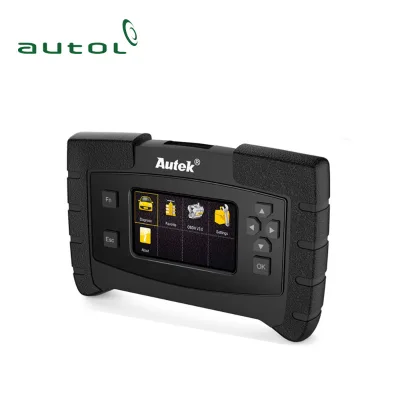
The "Brand Name" and "Model Number" (e.g., "GTEE," "Autek," "IFIX969") serve as identifiers for tracking and support. Buyers should establish a relationship with the supplier to ensure access to firmware updates, driver support, and technical documentation. The "Selling Units" being "Single item" suggests flexibility in purchasing, allowing buyers to start with a single unit and scale up as needed, which is beneficial for cash flow management.
Finally, the "Keywords" associated with the product, such as "car diagnostic tool," should be used to verify the relevance of the product in the supplier's catalog. Buyers must ensure that the product aligns with their specific operational needs and that the supplier has a proven track record in the automotive diagnostic sector. By focusing on these long-term factors, procurement professionals can secure a reliable diagnostic solution that supports their business growth and operational efficiency for years to come.
Comparative Analysis of Product Attributes
To facilitate decision-making, the following table summarizes key attributes observed in the market for all-system automotive diagnostic tools. This comparison highlights the variability in specifications and helps buyers identify the features most critical to their specific operational requirements.
| Attribute Category | Observed Specification | Relevance to Procurement |
|---|---|---|
| Certification | ISO, CE | Mandatory for regulatory compliance and safety assurance. |
| Condition | New | Ensures full warranty and zero prior usage. |
| Software Update | Online, 2 Years Free | Critical for long-term compatibility with new vehicle models. |
| Supply Ability | 500 - 2000 sets/month | Indicates supplier capacity to handle bulk orders. |
| Lead Time | Within 25 Days After Deposit | Essential for inventory planning and project scheduling. |
| Origin | China (Shandong, Guangdong) | Influences logistics costs and import regulations. |
| Power Source | V (Voltage), Pneumatic | Must match local infrastructure and workshop requirements. |
| Application | Garage, Collision Center, Tire Shop | Determines the versatility of the tool for multi-discipline use. |
| Packaging | Wooden Box, Carton, Sea Worth | Affects shipping costs and product safety during transit. |
| Model Number | IFIX969, AR012, AD-ROAD SIMULATOR | Used for specific product identification and support tracking. |
This structured approach to sourcing ensures that buyers can navigate the complexities of the automotive diagnostic tool market with confidence, relying on verified data and industry best practices rather than unverified claims. By adhering to these guidelines, organizations can secure high-quality diagnostic equipment that meets their technical, financial, and operational needs.
FAQs
What certifications do these diagnostic tools typically have?
These tools typically hold ISO and CE certifications to ensure compliance with international quality and safety standards. Buyers should verify that the specific supplier provides valid, current certification documents rather than relying on general product listings.
How long is the standard lead time for delivery?
The standard lead time is within 25 days after the deposit is received. This timeline allows for manufacturing and packaging but may vary based on order volume and current production capacity at the supplier facility.
Can I find suppliers offering customization for these tools?
Yes, customization is available for many of these automotive diagnostic tools. Buyers can request specific color options like blue, black, or red, and may also inquire about tailored packaging or functional modifications to suit their workshop needs.
What is the maximum supply capacity of these manufacturers?
Manufacturers demonstrate supply abilities ranging from 500 to 2000 sets per month depending on the specific model and production line. High-capacity suppliers can handle larger orders but buyers should confirm current stock levels before placing bulk orders.
Where are these diagnostic tools manufactured and shipped from?
These tools originate from locations in China, specifically Shandong and Guangdong provinces, with dispatch ports often located in Guangzhou. Buyers should verify the exact place of origin to calculate accurate shipping costs and transit times.
What software update support is included with the scanner?
The scanner includes online update capabilities with two years of free updates to maintain compatibility with new vehicle models. After the initial free period, buyers must understand the cost structure for continued software updates to ensure long-term viability.